


Sugar is commonly used to flavour food and drink, but did you know there is so much more to the sugarcane plant than satisfying a sweet tooth?
Sugar has many uses, from powering factories and cars to curing ailments and aiding agriculture.
The process to produce the refined sugar we use in food results in a number of by-products. Firstly, the cane juice is extracted from the plant, leaving behind the dried fibres, called bagasse. The next step involves boiling the cane juice to form sugar crystals, which leaves behind a syrup, or molasses.
It’s the molasses that is used to make our own Jefferson’s Rum.

Juice being extracted from sugarcane
But what happens to the parts of the sugarcane that don’t end up in your favourite sweet treat or tipple? The good news is that very little goes to waste. Sugarcane is the world’s largest crop, and bagasse accounts for around 30% of the harvest, so it’s a plentiful resource.
Renewable energy
Bagasse, the dried remnants of the sugarcane plant, can be burnt to fuel the boilers and kilns used in the sugar mills, or in the distilleries used to turn the molasses into alcohol. This renewable energy source reduces costs and makes the process more efficient.
On a larger scale, burning bagasse can help boost a country’s electricity grid. Burning the fibres produces steam which is then converted into electricity using a turbine. In addition to reducing the mill’s energy costs, the excess electricity can be sold to the grid.
In some countries, where access to fossil fuels is limited, this method of producing electricity is vital to rural populations.
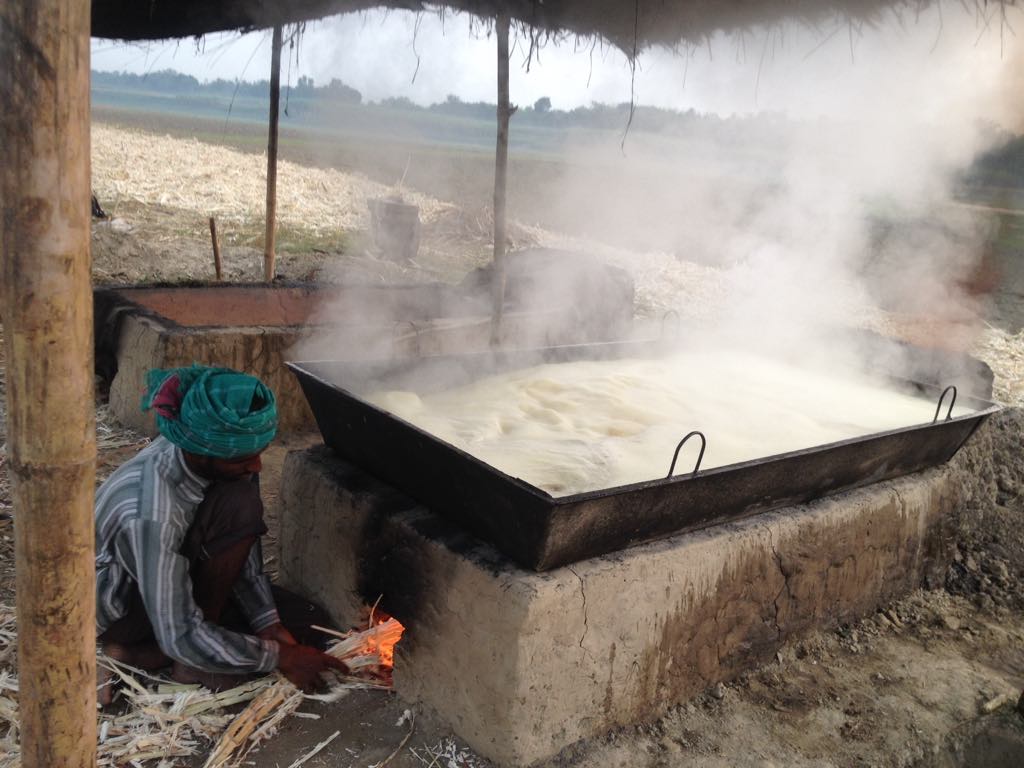
Bagasse being used as fuel for a kiln in Bangladesh
Changing the future of petrol
Ethanol, which is extracted from the molasses, isn’t just an ingredient in spirits and beer. It can also be used as a biofuel, which is a greener alternative to petrol.
The USA and Brazil are the two biggest producers and users of ethanol as fuel, accounting for almost 90% of the world’s usage. In the US, ethanol is mainly blended with gasoline, so it can be used in most standard vehicles, but Brazil has taken it a step further.
Specially designed flexible fuel cars, which can run on up to 100% bioethanol fuel, account for 73% of Brazil’s cars (as of 2021). When it comes to greener fuel, the rest of the world has a lot of catching up to do.
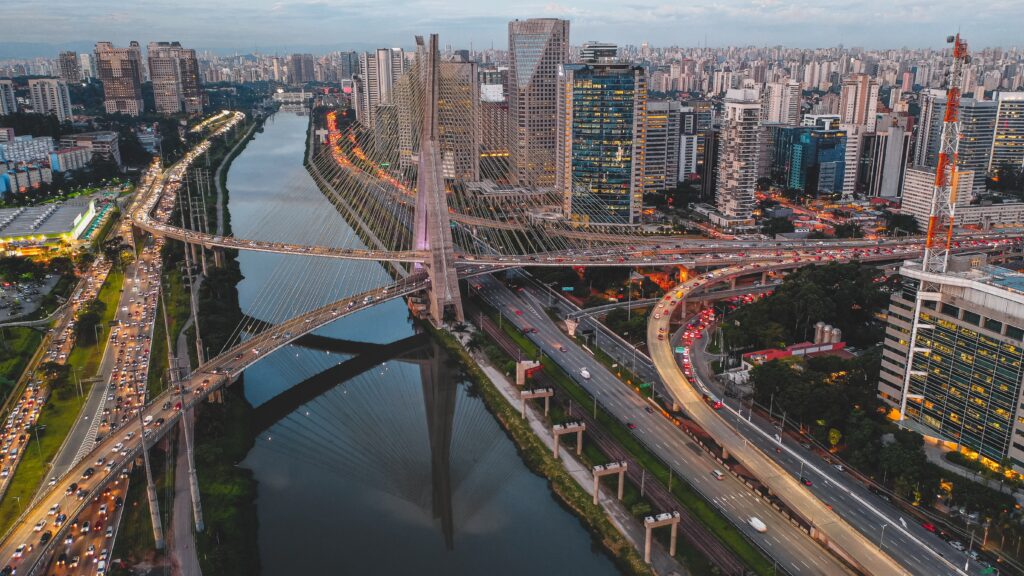
Traffic in Rio de Janeiro
Sustainable agriculture
Both bagasse and molasses are used in farming, as fertiliser and mulch for crops, and as a fibre rich animal feed. As a food source for cattle, horses and sheep, it promotes growth, gives energy and is high in vitamins and nutrients.
Molasses is also used as medicine. It can be mixed with water and given to chickens, pigs and other farm animals to improve a variety of health conditions, due to the high iron, magnesium, potassium and calcium content.
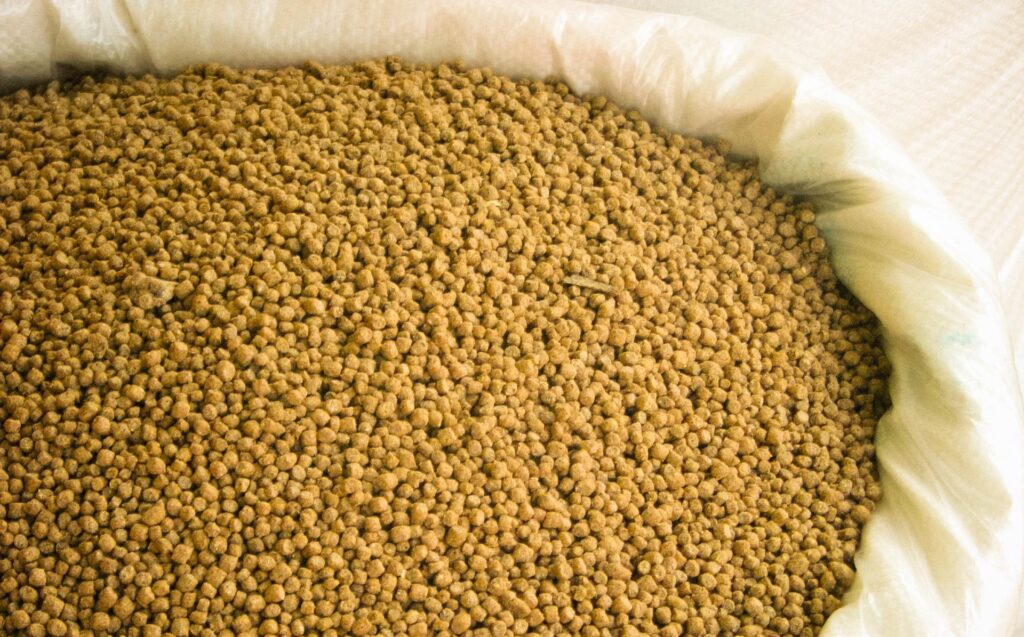
Animal feed made from bagasse
Promoting better health
These health benefits don’t just apply to livestock. Sugarcane has been used in Ayurvedic medicine (an alternative medicine practice originating from Southern Asia) for the past 2000 years.
It’s said to aid a wide range of issues from liver, lung and heart conditions to coughs, constipation and low blood pressure. It’s claimed that sugarcane can cure fever, jaundice and sore throats, and strengthen muscles, bones and organs.
That doesn’t mean that we can enjoy as much chocolate or cake as we like in the pursuit of better health. Unfortunately a lot of these medicinal benefits are lost once sugar is refined.
Molasses is sold in health food shops as a dietary supplement and alternative to refined sugar. Although it still contains a lot of sugar it’s also high in antioxidants and nutrients.
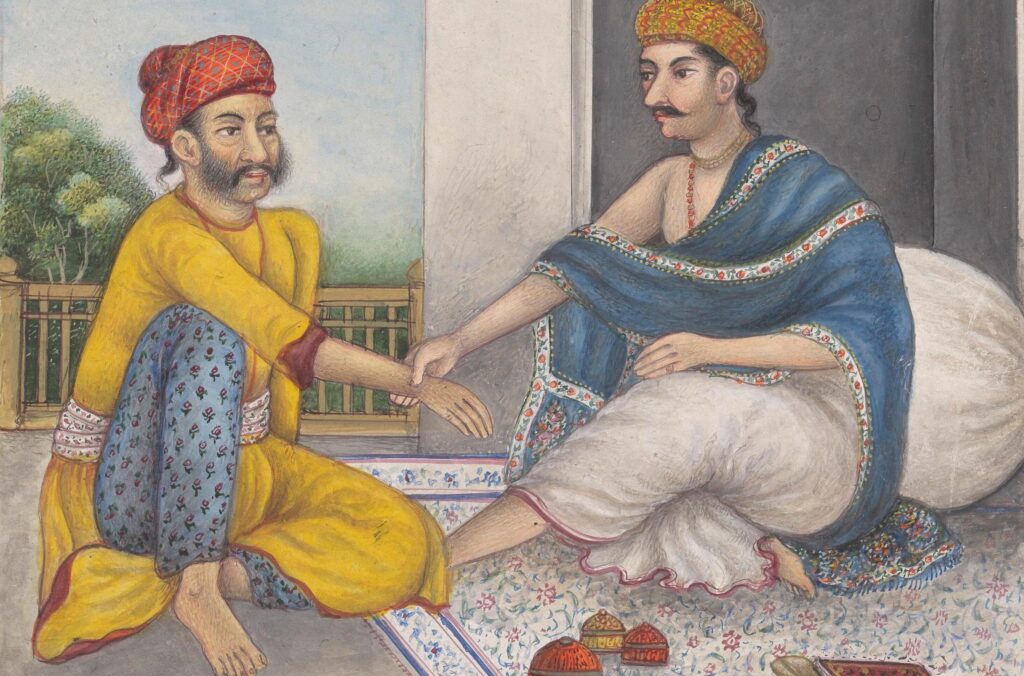
Ayurvedic medical practitioner taking the pulse of a patient
Manufacturing and making
Sugarcane can be used in large scale manufacturing, or to make items by hand. The plant can be pulped to make paper, while the thick reeds of the sugarcane can be used in a similar fashion to bamboo, to make products like pens and mats.
In tropical climates, sugarcane reeds can also be used to make thatched roofing on buildings.

Roof thatching made with sugarcane
While alternative uses for sugarcane might be more popular in the warmer regions of the world where the crops are grown, Whitehaven has its own history with sugar.
The town’s Sugar Tongue Quay was built in 1735 specifically for unloading sugar imported from the West Indies. This helped secure Whitehaven’s position as the 3rd largest port in England at the time.
Photo credits:
Pixabay, Wellcome Collection, ECV on the Road, Public Domain Pictures and Wikimedia Commons
Sources:
How is Sugar Cane Used to Generate Electricity? | Zorays Solar Pakistan
Bagasse Power | Biomassmagazine.com
Fuel ethanol production in major countries 2021 | Statista
Bagasse – an overview | ScienceDirect Topics
Molasses: Types, nutrition, and benefits | Medicalnewstoday.com
Sugarcane | Wikipedia
Saccharum officinarum – Sugarcane | Kew Royal Botanical Gardens