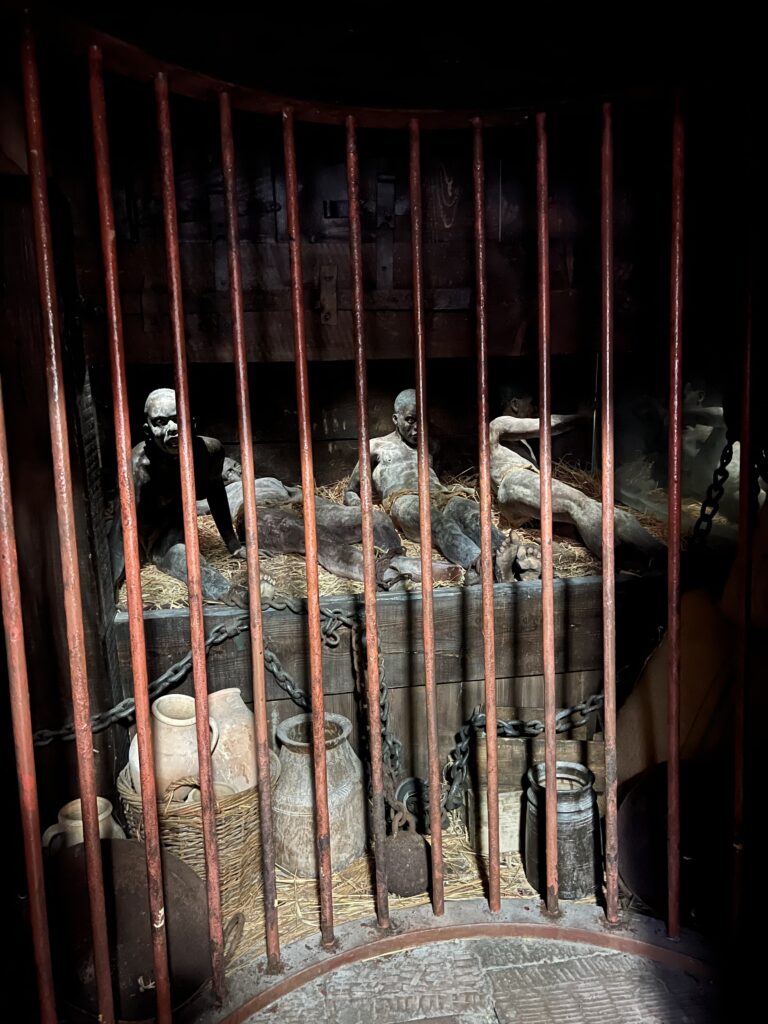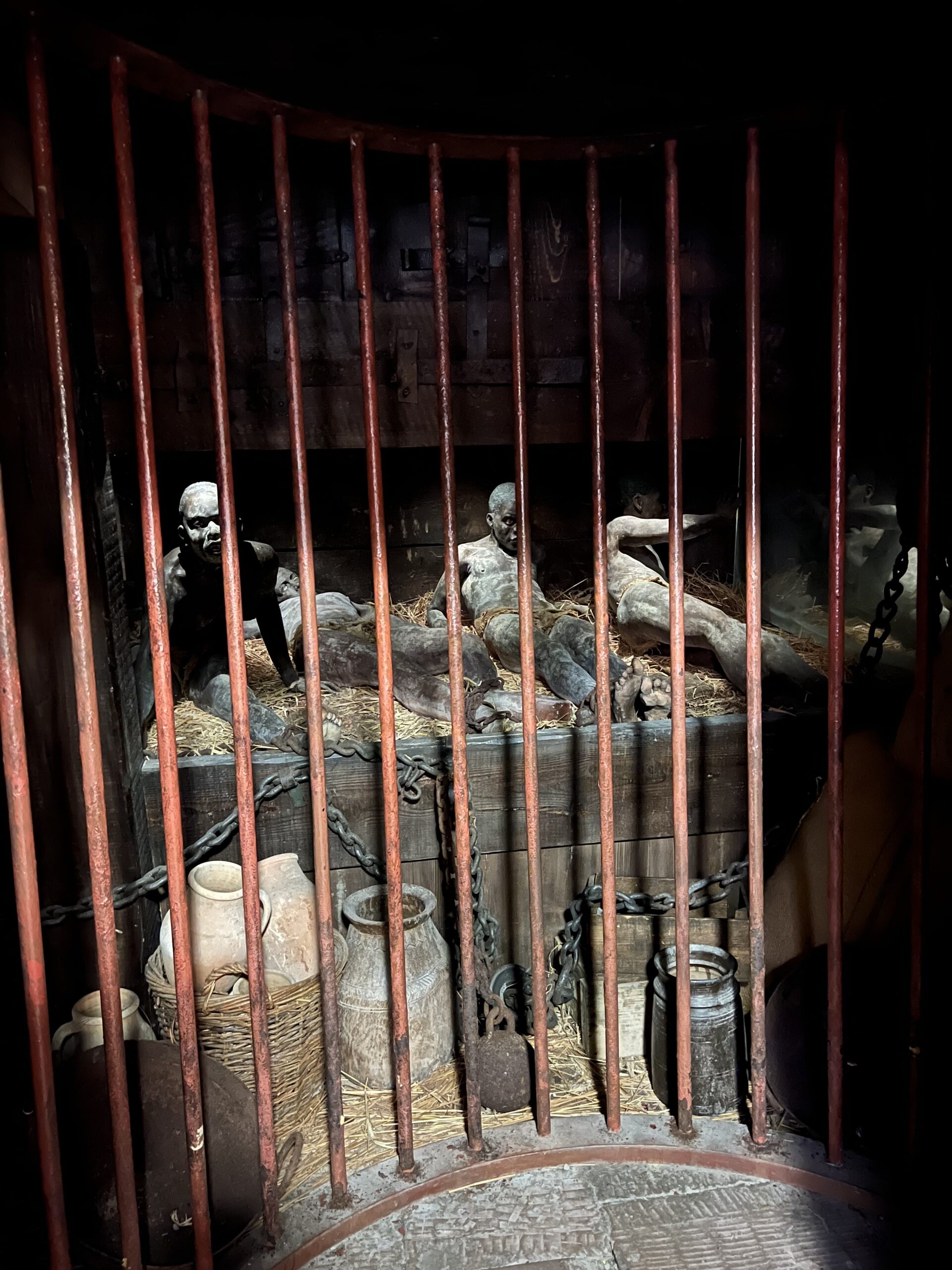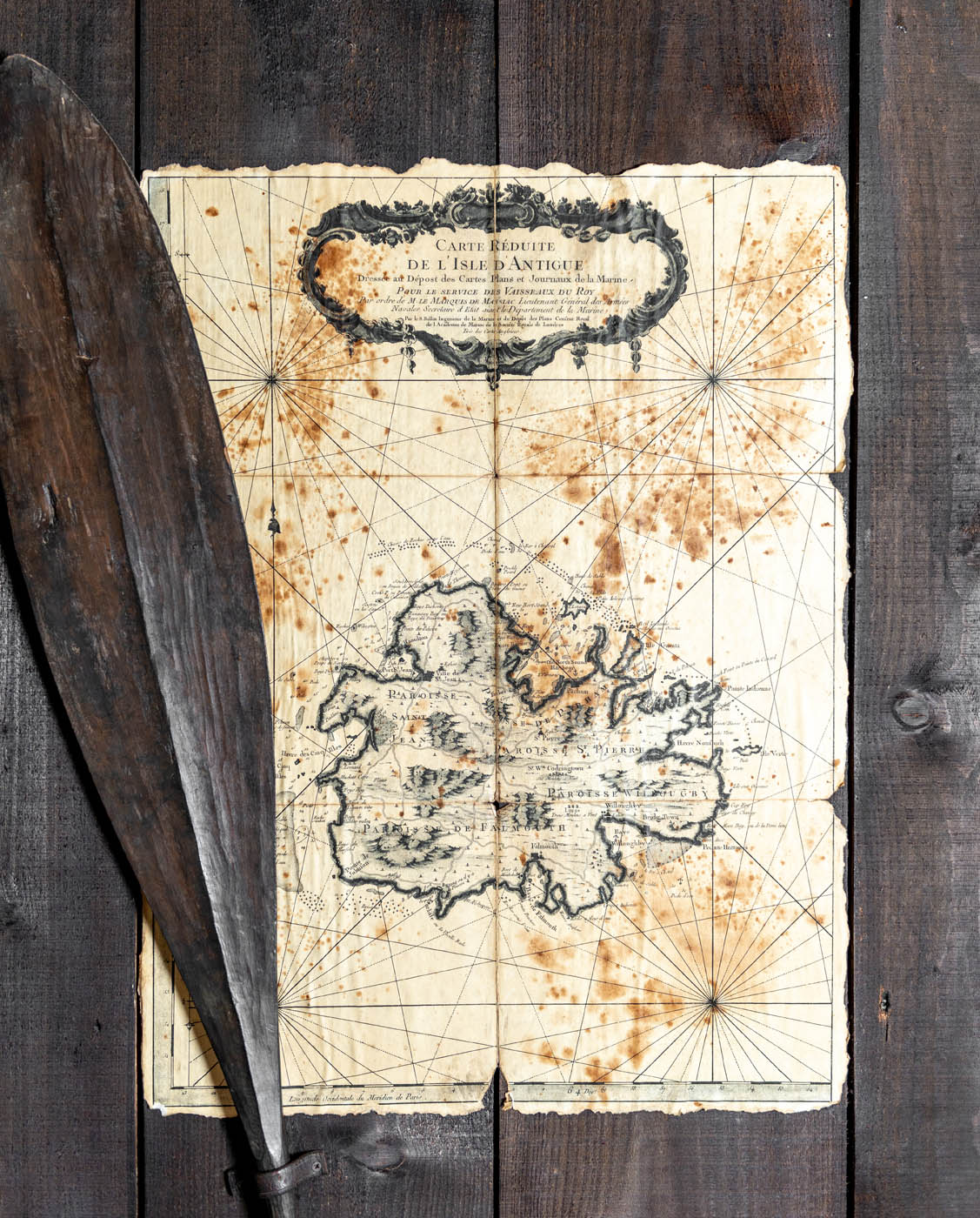
As the demand for sugar and rum increased, so did the trade of enslaved people. In this dark period of our history, millions of West African people were captured, enslaved and forced to work on Caribbean sugar plantations.
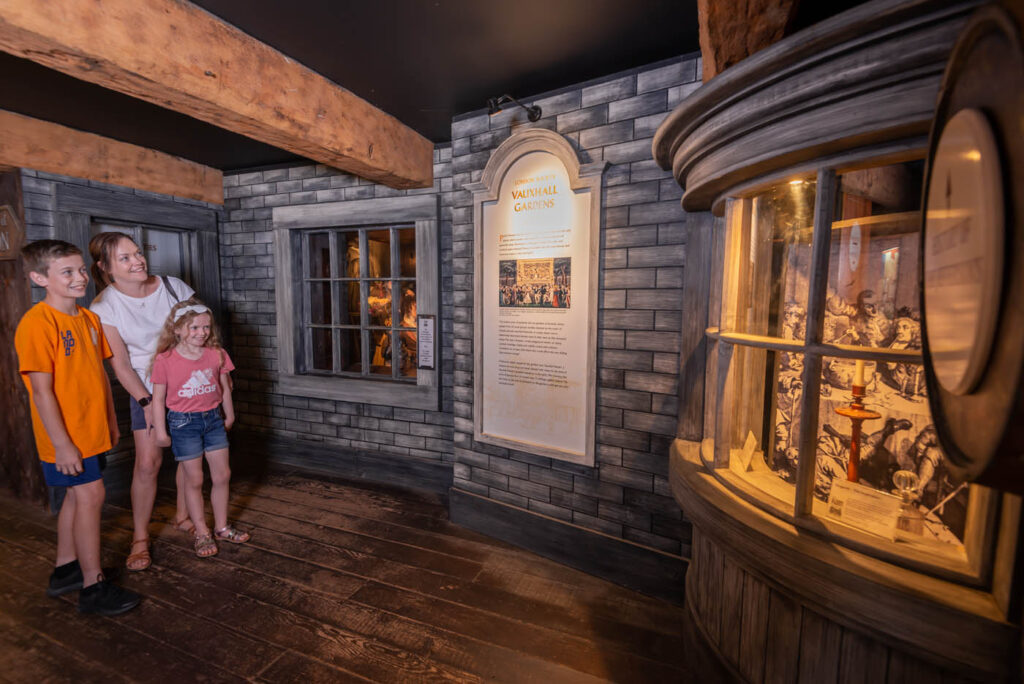
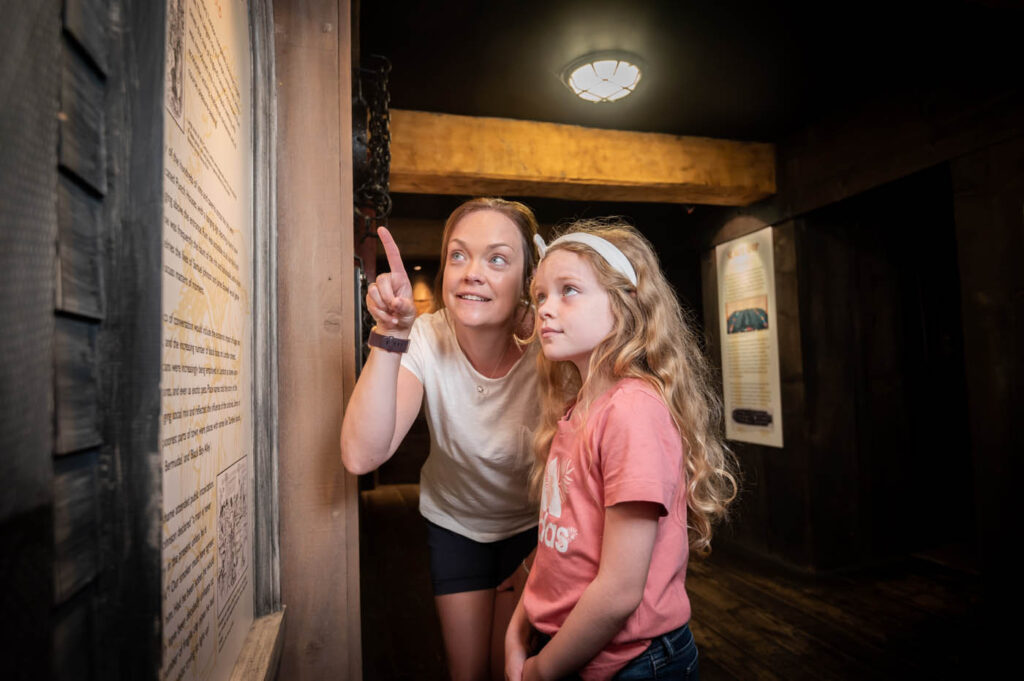
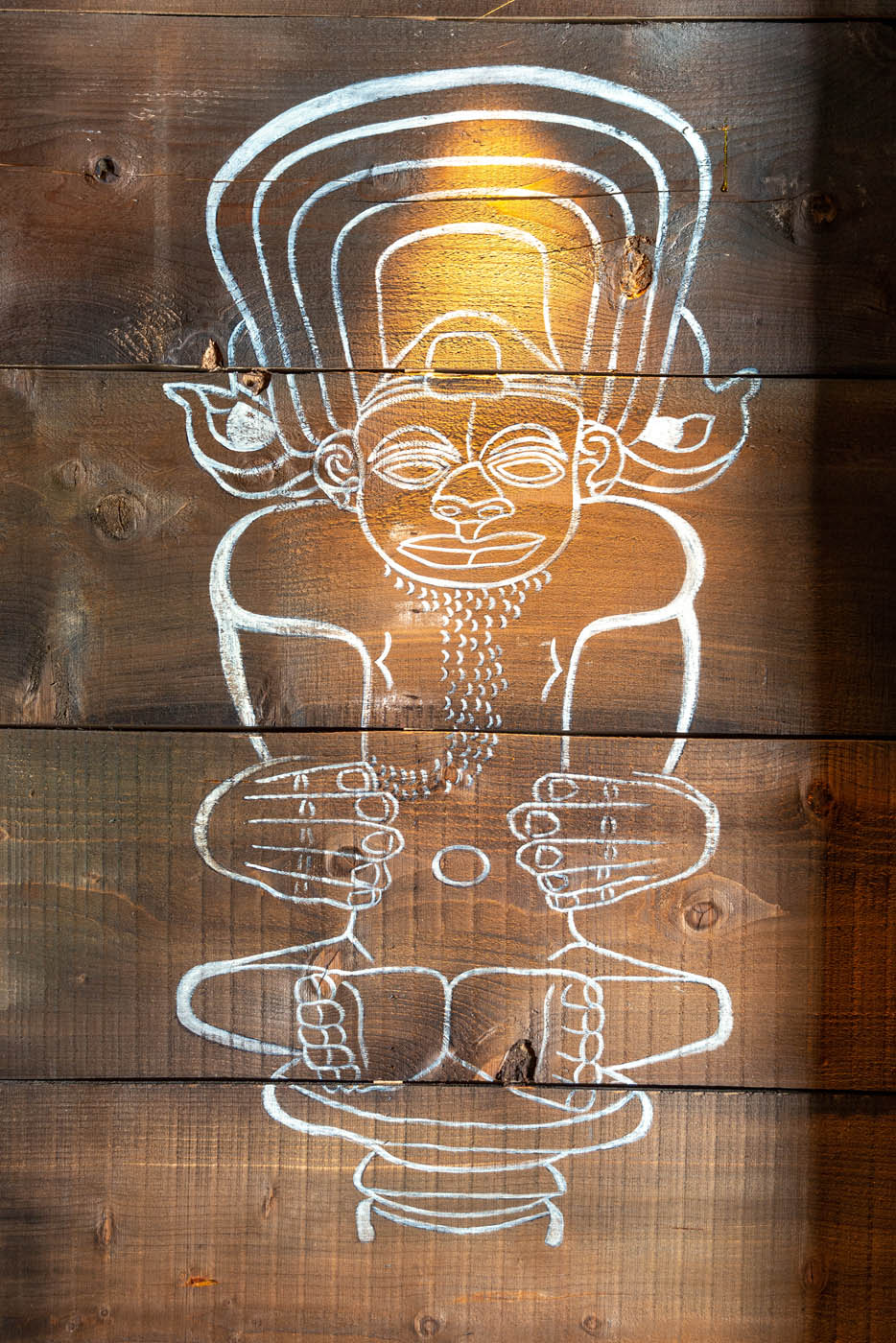
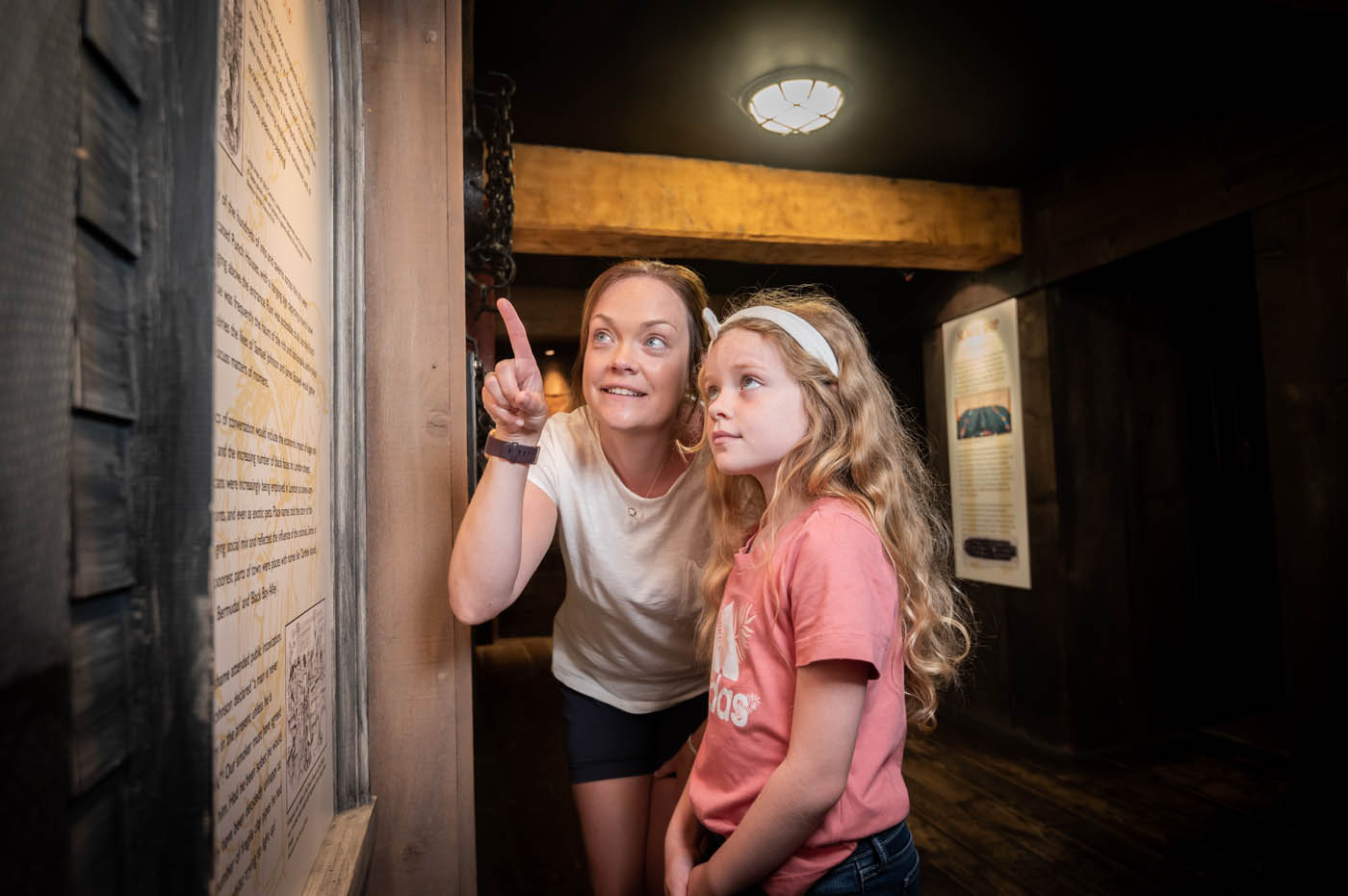
Our interpretative boards and slave ship diorama depict the trauma experienced by those taken against their will to the Jefferson family-owned Yeaman estate for a life of toil under the hot Antiguan sun.
The tropical climate of Caribbean islands like Antigua granted plantation owners the perfect environment to grow sugar. Our thought-provoking exhibit chronicles the sweltering, often fatal, operation of harvesting and processing raw sugar cane, and offers insight into the harsh realities of plantation life where Africans sought to create a community.
Where rum began
Versions of rum have existed for thousands of years. In Malaysia, fermented sugarcane was made into ‘brum’, and in Iran, explorer Marco Polo extolled the virtues of locally made sugar cane wine.
In 1600s Barbados, the popular tipple ‘kill devil’ was made from fermented sugar but the first mention of rum came in 1688.
After discovering that molasses, a by-product of the sugar refining process, could be fermented into alcohol, rum as we know it was distilled for the first time.
The growth of the sugar trade
As the sweet spirit’s popularity burgeoned, it grew into a global commodity, built on the backs of enslaved people.
Travelling from the tropical Caribbean to the chillier punch houses of London, rum swiftly became the tipple of choice of our very own Royal Navy. Indeed, the sailor’s daily tot was a done thing up until as recently as 1970.
Such was the importance of sugar, or ‘white gold’, and Britain’s newly acquired sweet tooth that by the 1770s, the West Indian islands were supplying a quarter of all imported goods.