

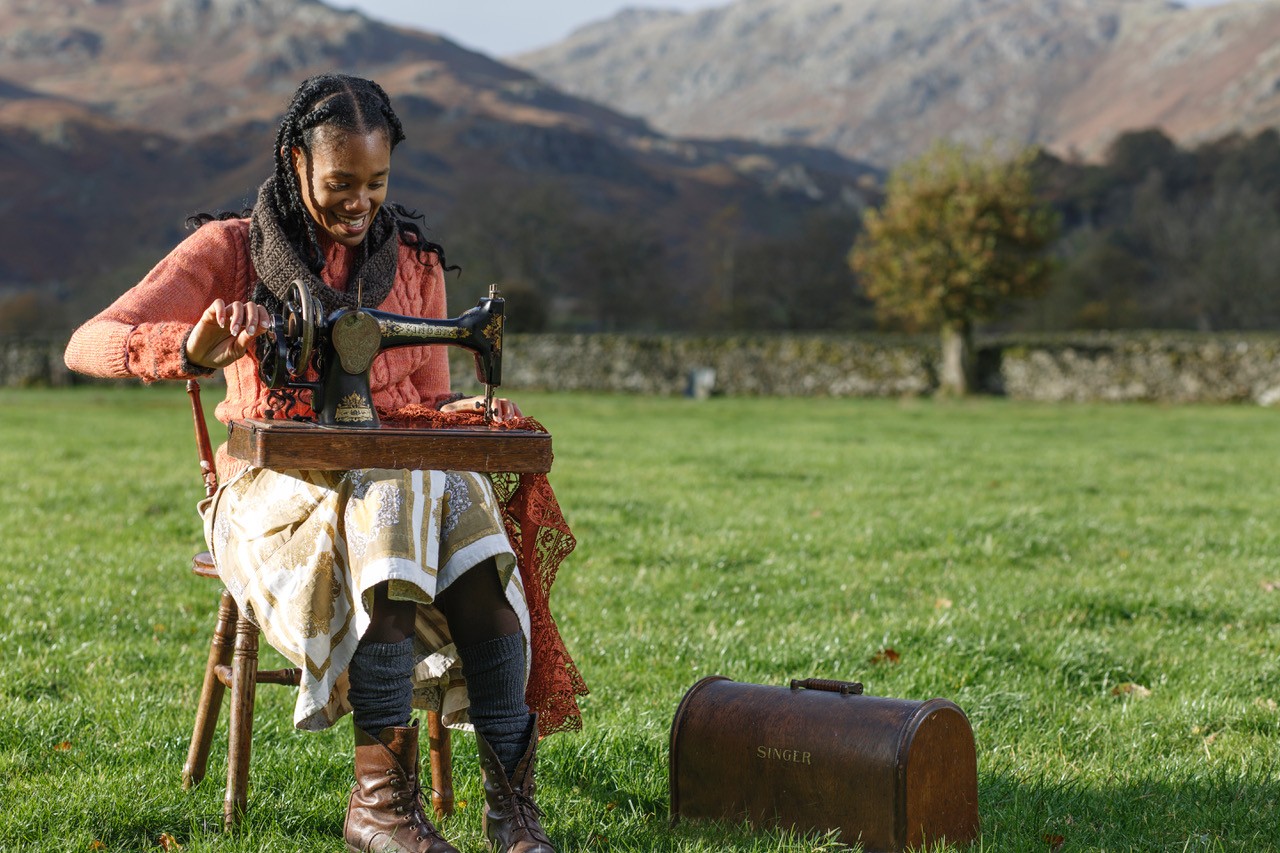
Eileen Pun, an artist we’ve commissioned through The Rum Story Re-Imagined Project, is looking for your help. She wants to discover more about people’s relationship with plantation products such as rum, coffee, sugar, tea, chocolate etc.
Can you fill in this Plants We Harbour Close To Home Survey to help? It’ll take 10 mins and you’ll be entered into a prize draw to win vouchers for The Rum Story Shop. (Draw to take place on 15 December 2025.) Eileen will use what she learns through them to help inspire the poems and art she’s creating for The Rum Story, ready to share with visitors in February, in response to its history.
Listen to a short radio snippet that Eileen, Project Manager, Katy Haigh and Magda Gabinet from Silly Goose Cafe recorded for Earth Week about it!
How do poems about nature and botanicals link to the history of The Rum Story?
The Rum Story tells the history of the Jefferson Family’s business, which involved rum, shipping and the trading and enslavement of African people. In the 17th centuries, Europeans removed the native forests in Antigua and replaced them with sugar plantations so they could mass produce sugar for European markets. Through the labour of enslaved African people, the Jeffersons from Whitehaven, used sugar harvested on the Yeaman Plantation in Antigua to create their famous rum.
Alongside the devastating human impacts enslavement had, these sugar plantations had damaging long-lasting environmental impacts – reducing availability of wild food, degrading the soil and wiping out many native species.
Eileen’s artistic project for The Rum Story is entitled Bound – Ligatures and Graft. It will be an artistic and poetic process binding botanicals, threads and true, unsung narratives from these histories. Eileen intends to make the connection between the natural destruction, the disappearing of indigenous cultures and the grave disruption of African peoples through it.
Please take time to fill in this survey if you can. Thank you.
I grew up in Whitehaven in 1950s and learnt nothing about the slave trade connections till I moved back to Cumbria 15 years ago. We took an empty Sherry bottle to be filled up by the Jefferson sisters in their shop