


At first glance, you’d be forgiven for thinking that the alcohol trade has always been dominated by men. From rich businessmen and plantation owners to pirates, sailors and smugglers, history would tell us that it’s a man’s world. Yet the beer and spirits industry wouldn’t be what it is today without women.
Women have always played a key role in the production of alcohol. In ancient Egyptian and Viking times they were responsible for brewing beer for religious ceremonies, and for centuries women would distil spirits in their homes for medicinal and later recreational purposes.
At different times throughout history, female distillers and brewers have been both feared and celebrated – from alewives being caught up in the witch hunts of the 16th century, to bootleggers supplying thirsty Americans with moonshine in the 1920s.
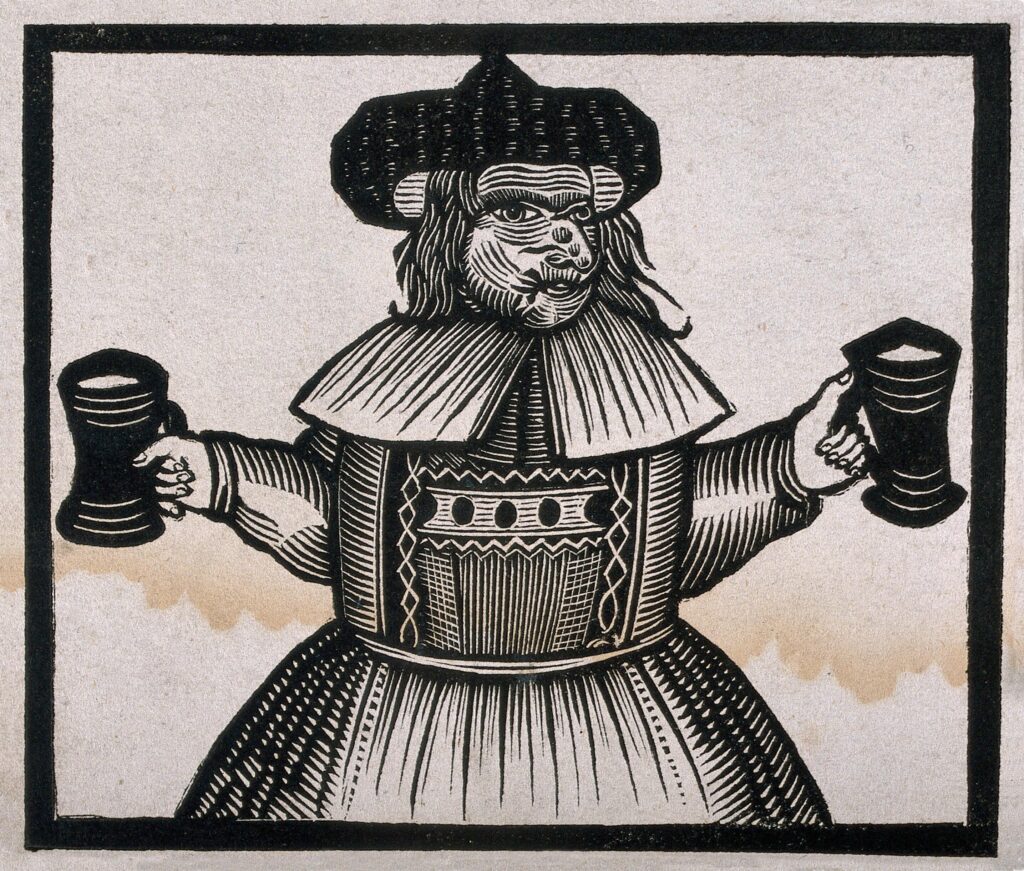
Even the modern day equipment used to make rum, gin, vodka and other spirits can be traced back to the first Western alchemist Mary the Jewess, between 1800 and 2000 years ago. She is credited with inventing a distillation chamber made from copper or bronze, which is an early version of the stills used today.
A witch’s brew
In the 1400s, some women would brew beer to sell. When the religious Reformation began in the early 16th century, women were expected to conform to strict gender norms, including staying home and raising families, rather than spending long days making and selling alcohol.
Some men took advantage of this movement to drive out female competition and dominate the market for themselves, even accusing female brewers – or alewives – of using their cauldrons to brew more than just beer.
It wasn’t that much of a leap to go from brewing to witchcraft – alcohol would be made in cauldrons, cats were often kept to scare rodents away from the ingredients, and alewives would place brooms on their doorsteps to let people know when the brew was ready.
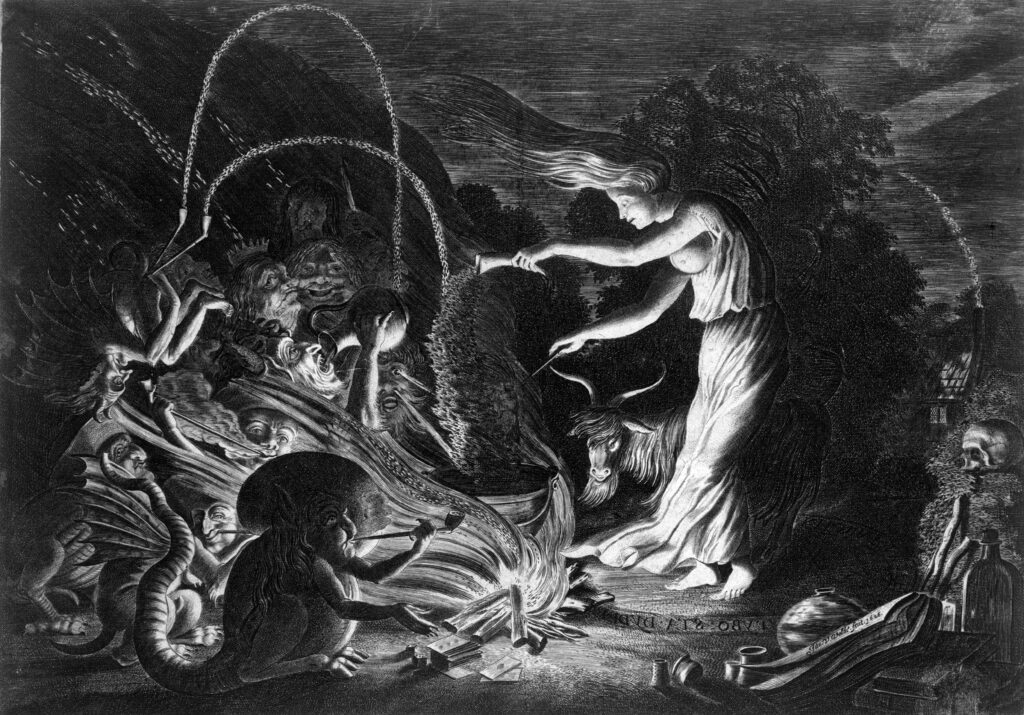
As witch hunts became widespread and panic took hold, women caught brewing beer or distilling spirits were charged with practising sorcery, and between 1500 and 1660, thousands of innocent women were sentenced to death.
The accusation of witchcraft, along with the expectation of women to assume more stereotypical roles in society led to a steep decline in the once thriving cottage-industry. At least for a while.
The roaring 20s
Fast forward a few centuries and alcohol was being demonised yet again – this time by the United States of America, who introduced Prohibition and banned the production, transportation and sale of alcohol from 1920 to 1933.
Ironically, the rife sexism of the early 20th Century gave women relative freedom to carry out illicit activities. Women were often underestimated by those in law enforcement, with prohibition agents finding it hard to believe that women could be behind some of the largest bootlegging operations in the country.
When cases did make it to court, juries were reluctant to send women to jail, especially mothers; most got very lenient sentences compared to their male counterparts. And that’s if they got caught in the first place.
It was illegal in many states to search women, and police were far less likely to stop and search vehicles if a woman was present. While the movies depict gregarious gangsters lording their wealth around town, women tended to fly under the radar, refraining from boasting about their success.
From producing moonshine in their homes to smuggling it into speakeasies, women played a key role in every aspect of Prohibition – even in bringing it to an end.
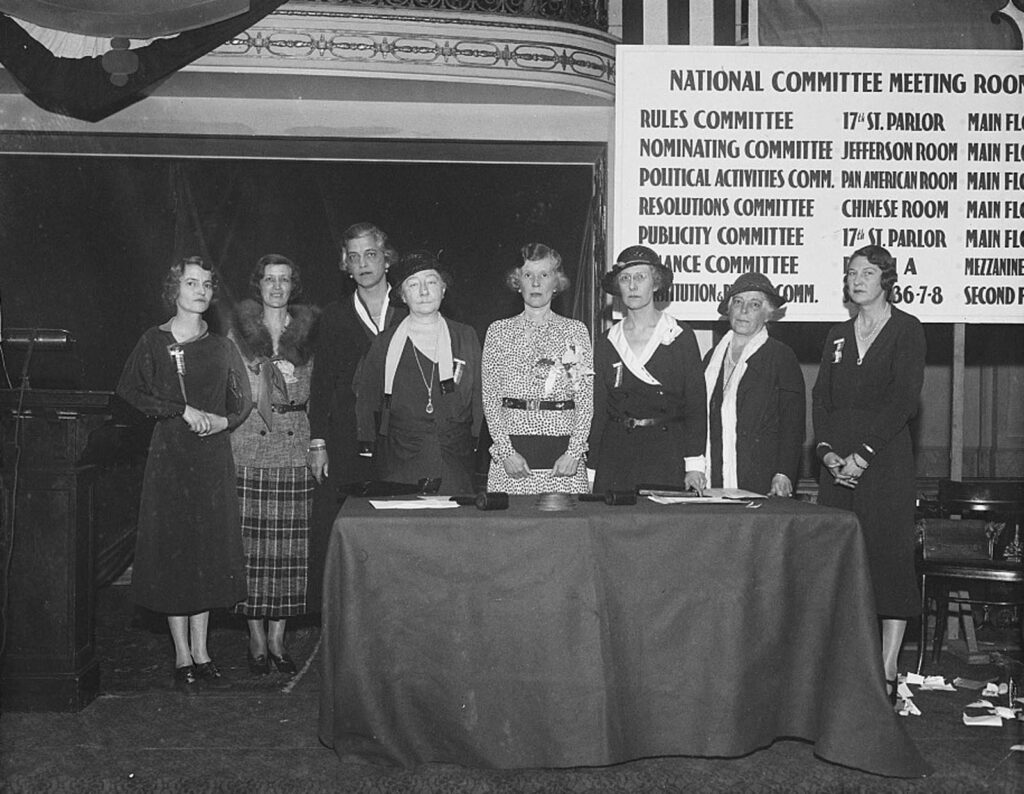
Pauline Sabin was a prominent figure in New York politics. Despite originally supporting Prohibition, believing it would lower crime and violence and improve health and wealth, she came to realise that it was having the opposite effect.
It gave organised crime gangs an opportunity to expand their operations into the illegal alcohol trade, and the alcohol consumption couldn’t be moderated when it had been driven underground.
Sabin successfully argued her opposition to Prohibition and is credited with bringing an end to the blanket ban on alcohol across the entire US.
The world of spirits today
After the witch hunts when women were forced to cease making spirits and beer, the resulting large scale operations were male dominated, and remained that way for the next few centuries.

Our own Jefferson’s Rum was no exception; the reigns of the Jefferson family business were passed down from father to son for 200 years, until the late 1970s when sisters Elizabeth and Constance took over, the only female members of the family to be at the helm of the company.
It’s only in the past few decades that more women are starting to establish and run their own distilleries and breweries, continuing the legacy of those early female pioneers.
Photo credits:
Pixabay, Wellcome Collection and Library of Congress
Sources:
Women Bootleggers and Women Prohibition Agents | Alcohol Problems and Solutions
Nuts to the Noble Experiment: Montana’s Cussed Women Bootleggers | Distinctly Montana
The Fascinating History of Women, Witches, and Beer | Medium
The Secret History of Women Distillers | VinePair
Women of Great Spirit: a cask strength history of women and whisky | Whisky Foundation
Why Did Women Stop Dominating the Beer Industry? | Smithsonian Magazine
Women campaigned for Prohibition—then many changed their minds | National Geographic